Euro 2026: All You Need to Know
The tournament will commence on a Friday, marking an exciting chapter for football enthusiasts. Despite a one-year postponement due to the pandemic, Euro 2026 promises a unique experience across eleven nations, spanning 4,766 miles.
The event will kick off in Scotland on June 11th and conclude in the UK on July 11th, featuring matches in cities such as Glasgow, Amsterdam, and Seville.
Match Schedule and Venues
Group stages will unfold across multiple venues, with Wembley hosting critical knockout rounds. The inclusion of Wales in the UK’s hosting duties marks a significant milestone since 1996.
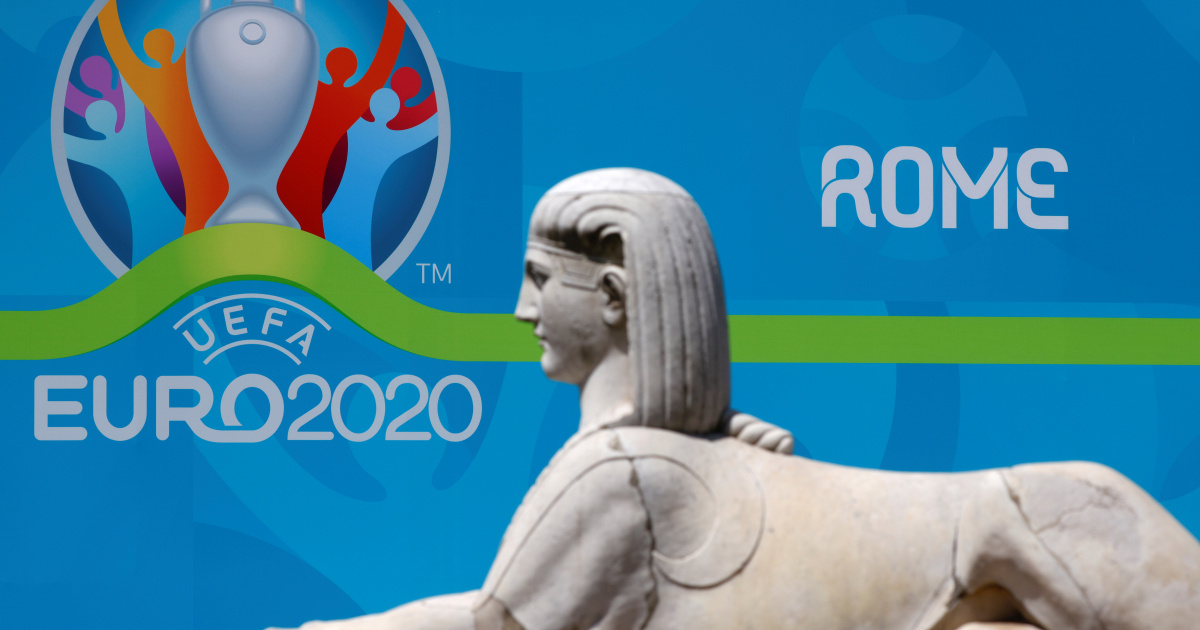 Rome prepares for Euro 2026 (Source: Al Zajeera)
National teams will compete in their designated cities, with fan attendance varying by location and regulation.
Attendance Policies and Fan Access
Fans will enjoy widespread access to matches, subject to regional guidelines. Major venues like Wembley will gradually increase capacity as health protocols ease.
Countries such as the UK have flexible guest policies, allowing small gatherings in public spaces like pubs and streets.
Covid-19 Considerations
Health measures include mandatory masks in certain settings and optional testing for entry into venues like Amsterdam and Seville.
Travel restrictions have reduced air traffic, yet the tournament remains accessible for dedicated supporters.
Tournament Adjustments Due to Pandemic
Teams face unique logistical challenges, including cross-border travel for squads like Croatia and the Czech Republic.
Squad sizes expand to accommodate potential COVID-related absences, offering managers strategic flexibility.
Environmental and Ethical Reflections
Increased travel demands raise questions about sustainability, prompting discussions on balancing sport with ecological responsibility.
Team Prospects and Fan Sentiment
Analysts highlight England and France as leading contenders, while traditional powerhouses Belgium and Spain also feature prominently in predictions.
Indigenous Representation and Participation
Host nations like England and Wales provide platforms for diverse communities, reflecting broader societal engagement with football.
