European Super League: Unfolding the Proposal and Public Sentiment
Critics argue that the initiative primarily pursues monetary gain, raising concerns over its potential to undermine established football traditions.
The envisioned league features twelve founding clubs, with provisions for three additional teams to join annually, aiming to secure consistent participation and financial stability.
Despite official statements emphasizing the league's intent to coexist with domestic leagues, skepticism persists regarding its long-term effects on competitive balance and fan engagement.
Founding Clubs and Structural Details
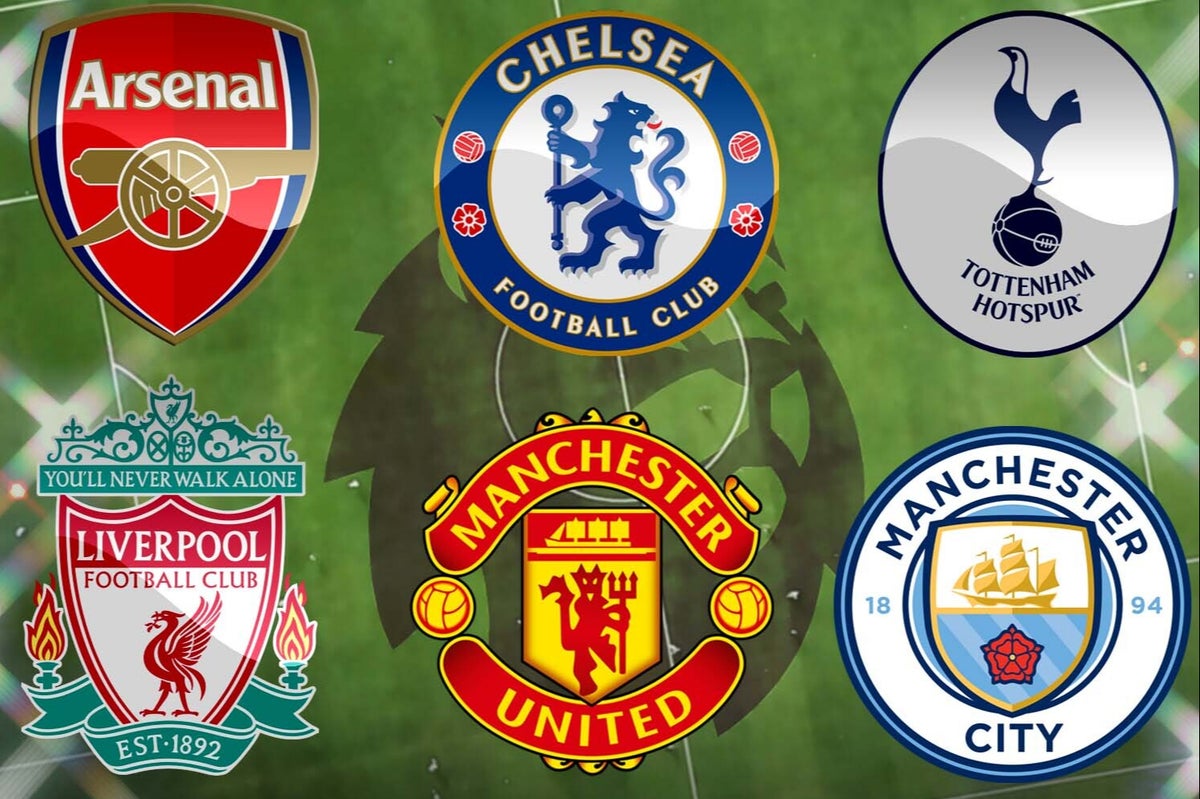
Prominent teams including Arsenal, Chelsea, Liverpool, Manchester City, Manchester United, and Tottenham have committed to the project, signaling significant institutional backing.
The competition format proposes twenty participating clubs, with qualification determined by domestic performance metrics and annual entries for emerging teams.
ESL representatives have pledged legal action against governing bodies challenging the initiative, highlighting tensions between commercial ambitions and regulatory frameworks.
Stakeholder Responses and Criticisms
National football associations, UEFA, and FIFA have collectively condemned the proposal, citing threats to sporting integrity and youth development pathways.
Player advocacy groups warn of adverse impacts on career trajectories, particularly concerning eligibility for international tournaments.
Fan organizations across Europe have mobilized protests, expressing fears of diminished accessibility and affordability for traditional clubs.
Leadership Perspectives
Real Madrid president Florentino Pérez champions the league as a catalyst for global football growth, advocating for enhanced revenue distribution mechanisms.
Conversely, Juventus leadership emphasizes institutional withdrawal from existing cooperative structures, reflecting deeper philosophical divides within European football.
Future Outlook
Ongoing debates underscore unresolved conflicts between commercial innovation and heritage preservation, shaping the trajectory of transnational football governance.
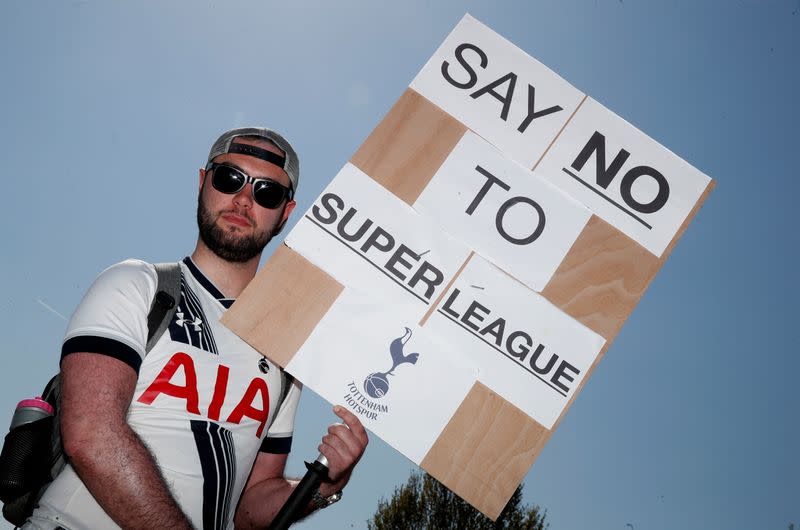 Critics say the move is only for money (Source: Yahoo News India)
Conclusion
As the European Super League debate intensifies, stakeholders must reconcile divergent interests to safeguard football’s cultural and economic foundations.